Web Architecture in 2026: Beyond Static Presence
For businesses across Coimbatore, Tirupur, and the wider Tamil Nadu region, the web is no longer just a digital brochure. From textile manufacturers digitizing export inquiries to healthcare providers offering patient scheduling, web applications in 2026 are revenue drivers. Keeping your digital infrastructure competitive requires embracing modern web engineering standards that balance speed, security, and exceptional user experience.
1. Progressive Web Apps (PWAs) & Mobile-First Architecture
Over 78% of commercial web traffic in Tamil Nadu originates on smartphones. Progressive Web Apps bridge the gap between traditional websites and mobile apps. PWAs offer lightning-fast load times, offline caching through Service Workers, and home screen installation without the friction of app store downloads. For regional B2B and retail businesses, PWAs drastically lower customer acquisition costs.
2. Fast Page Load Speeds & Core Web Vitals
Google's ranking algorithms heavily penalize slow-loading websites. In 2026, passing the Core Web Vitals audit (Largest Contentful Paint under 2.5s, Interaction to Next Paint under 200ms, and zero Cumulative Layout Shift) is a business necessity. Modern sites achieve this by ditching heavy generic templates and adopting modern CSS, image optimization (WebP/AVIF), and edge CDN caching.
3. Headless Architecture and API-First Integration
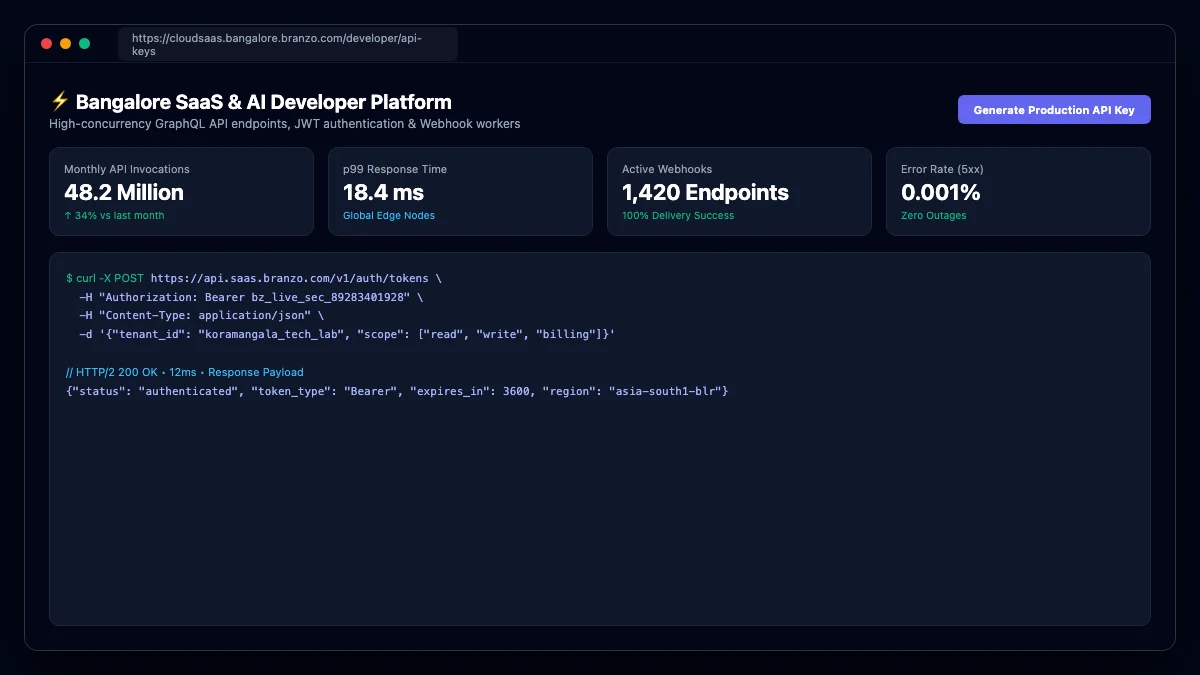
Decoupling your presentation layer (frontend) from your data management (backend) allows businesses to connect one central product catalog or inventory database to websites, mobile apps, and internal CRM systems seamlessly.
- ✓ Omnichannel Availability: Serve content to websites, mobile applications, and IoT kiosks from one source.
- ✓ Enhanced Security: Your database server is hidden behind secure API gateways, reducing surface attack vectors.
- ✓ Framework Flexibility: Upgrade or restyle the frontend without disturbing backend business logic.
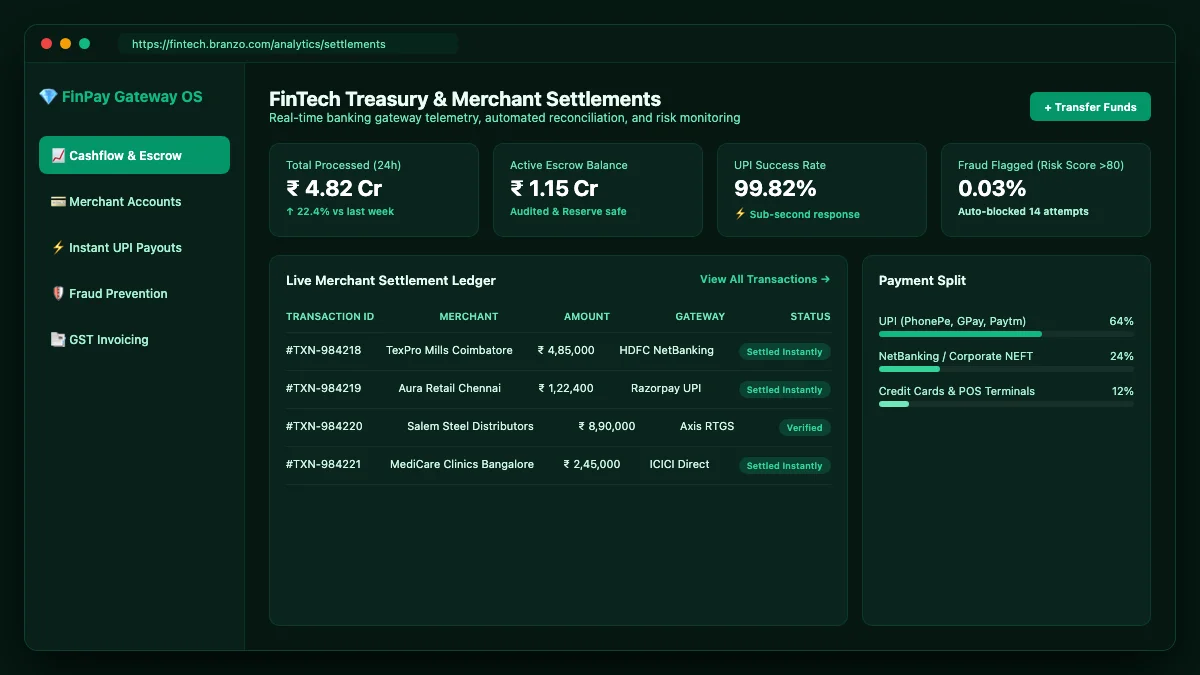
- ✓ Third-Party Integrations: Smooth connections with regional payment gateways like Razorpay, Cashfree, and logistics APIs.
4. AI-Powered Personalization & Automation
From smart search autocompletion to intelligent product recommendations and multilingual conversational bots (Tamil and English), AI features are moving into mainstream web applications to improve visitor engagement.
5. Conclusion: Modernizing Your Digital Infrastructure
Adopting these web development trends doesn't mean rebuilding your entire digital presence overnight. It means establishing a clear roadmap: audit your existing site for speed, upgrade your mobile responsiveness, and adopt modular code that can scale alongside your business.

Founder and technical director at Branzo Techno Solution, Coimbatore. Directing custom web design, mobile app architecture, and enterprise software engineering across Tamil Nadu.